Understanding Mast Cell Activation Syndrome: The Role of Peptides in Reducing Inflammation and Managing Symptoms
- yolanda larabee
- Apr 14
- 4 min read
Updated: Apr 20
Mast Cell Activation Syndrome (MCAS) is a complex condition where mast cells release excessive amounts of chemicals like histamine, causing inflammation and a wide range of symptoms. People with MCAS often struggle with chronic pain, brain fog, digestive issues, and allergic reactions. Managing these symptoms can be challenging, but recent advances suggest that certain peptides may help reduce inflammation, support gut healing, and improve overall well-being.
This post explores how peptides can be used in conjunction with Supplements, diet and lifestyle
Personal Background
As a Nutritionist with two decades of experience, my career faced a significant challenge when I developed Mast Cell Activation Syndrome (MCAS) following mercury poisoning from an injection during pregnancy, which was exacerbated by stress and a potential viral infection. I did use Antihistamines for a couple of months in the beginning to cope and before I had a grasp of what I could do to heal and begin my recovery but felt so awful and tired I knew I had to keep researching for relief
Research and Education
In light of my health issues, I undertook extensive research on supplements and natural therapies. I also completed a course on peptides and MCAS, which greatly enhanced my understanding and management of the condition.
Current Health Status
Thanks to these efforts, I have discovered several effective treatments, and I am happy to share that I am back to feeling healthy and happy about 85% of the time.
Peptides such as KPV, BPC-157, Tizepatide, Semaglutide, and Retatrutide can play a role in managing MCAS symptoms. We also discuss the importance of supplements, diet, and stress management in controlling histamine levels.
What Is Mast Cell Activation Syndrome?
Mast cells are part of the immune system, responsible for releasing chemicals that help fight infections and heal injuries. In MCAS, these cells become overactive and release too many inflammatory substances, especially histamine. This leads to symptoms like:
Chronic inflammation
Pain and swelling
Brain fog and fatigue
Digestive problems such as bloating and diarrhea
Allergic reactions without clear triggers
Because MCAS affects multiple systems, it can be difficult to diagnose and treat. Reducing inflammation and stabilizing mast cells are key goals in managing this condition.
How Peptides Help Reduce Inflammation and Heal the Gut
Peptides are short chains of amino acids that can influence various biological processes. Some peptides have shown promise in reducing inflammation, promoting tissue repair, and supporting gut health—areas that are critical for people with MCAS.
KPV Peptide
KPV is a small peptide derived from alpha-melanocyte-stimulating hormone. It has anti-inflammatory properties and can help calm overactive immune responses. Research suggests KPV may reduce histamine release from mast cells, helping to ease symptoms like swelling and pain.
BPC-157
BPC-157 is a peptide known for its ability to promote healing in the gut and other tissues. It supports the repair of the intestinal lining, which is often damaged in MCAS patients due to chronic inflammation. By healing the gut, BPC-157 can reduce systemic inflammation and improve nutrient absorption, which may help reduce brain fog, gut pain, leaky gut, and fatigue.
Tirzepatide, Semaglutide, and Retatrutide
These peptides are primarily known for their roles in metabolic regulation and weight management, but they also have anti-inflammatory effects. Semaglutide and Retatrutide, for example, can improve insulin sensitivity and reduce systemic inflammation, Weight Gain, which may indirectly benefit MCAS symptoms. Tizepatide is a newer peptide that shows promise in reducing inflammation and improving metabolic health. Many Clients that suffer with MCAS have found a huge relief while using these Peptides in Micro doses among the other supplements recommended. Doses and Quality of products vary, so be sure to get expert advice.
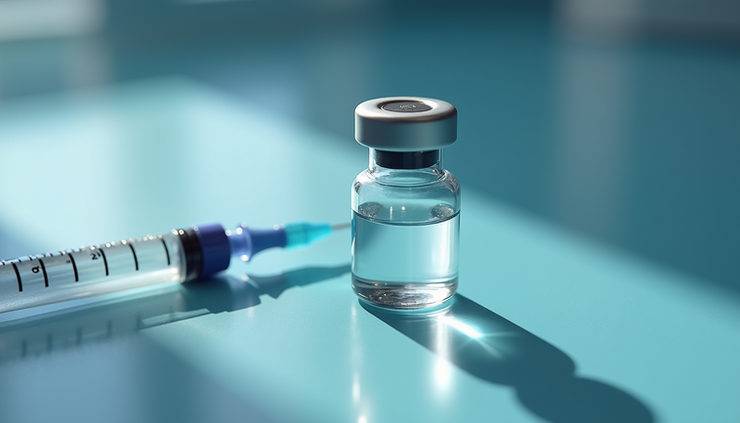
Close-up view of a vial with peptide solution and syringe on a medical tray
Supporting Peptide Therapy with Supplements and Lifestyle Changes
While peptides can significantly reduce inflammation and support healing, managing MCAS requires a comprehensive approach. Supplements that help lower histamine levels and stabilize mast cells are essential. Some commonly used supplements include:
Quercetin: A natural flavonoid that stabilizes mast cells and reduces histamine release.
Vitamin C: Helps break down histamine and supports immune function.
DAO (Diamine oxidase) enzymes: Aid in breaking down dietary histamine.
Diet Adjustments
Reducing histamine intake through diet is crucial. Foods high in histamine or that trigger mast cell activation should be limited. These include:
Aged cheeses and fermented foods
Processed meats
Alcohol
Certain fruits and vegetables like tomatoes and spinach
Eating fresh, whole foods and avoiding known triggers can help reduce symptom flare-ups.
Stress Management
Stress can worsen MCAS symptoms by triggering mast cell activation. Incorporating stress reduction techniques such as mindfulness, gentle exercise, and adequate sleep supports overall symptom control.
Practical Tips for Managing MCAS with Peptides
Consult a healthcare practitioner before starting peptide therapy to ensure safety and proper dosing such as Nutritionist or health care practitioner
Combine peptides with supplements that stabilize mast cells for better results.
Track symptoms and dietary triggers to identify what worsens or improves your condition.
Maintain a balanced diet low in histamine and rich in anti-inflammatory foods.
Prioritize stress management to reduce flare-ups.
For more articles and topics on MCAS please join the discussion and educational support on my new Facebook page here
My go to for US Peptides are
Your exclusive 15% discount code for your audience is YOlanda15. Please note that the code must be put in exactly as it is here. During sitewide sales, your code will temporarily change to YOlanda25. Please be sure to inform your friends, family
Yolanda Larabee Nutritionist & Wellness Consultant
NOURISH IQ──────────────
📞 416-887-5245📧 yolandalarabee@yahoo.ca🌐 nourishiq.ca
Personalized Nutrition Plans - Supplements - Meal Planning - Peptides


Comments